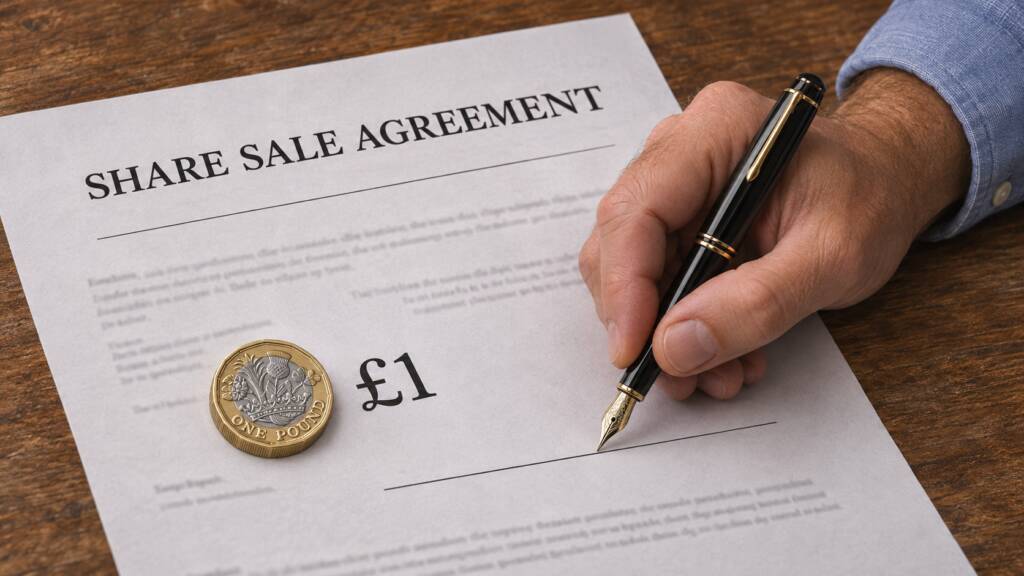
Can you sell your limited company for £1 and walk away from its debts? Not necessarily. And the consequences could be more significant than you realise.
When HMRC arrears, business loans and creditor demands become overwhelming, an offer to sell your company for just £1 can sound like an attractive solution.
Someone else takes control of the business, deals with its creditors and you get the opportunity to move on.
But changing who owns the company doesn’t automatically remove your personal financial responsibilities.
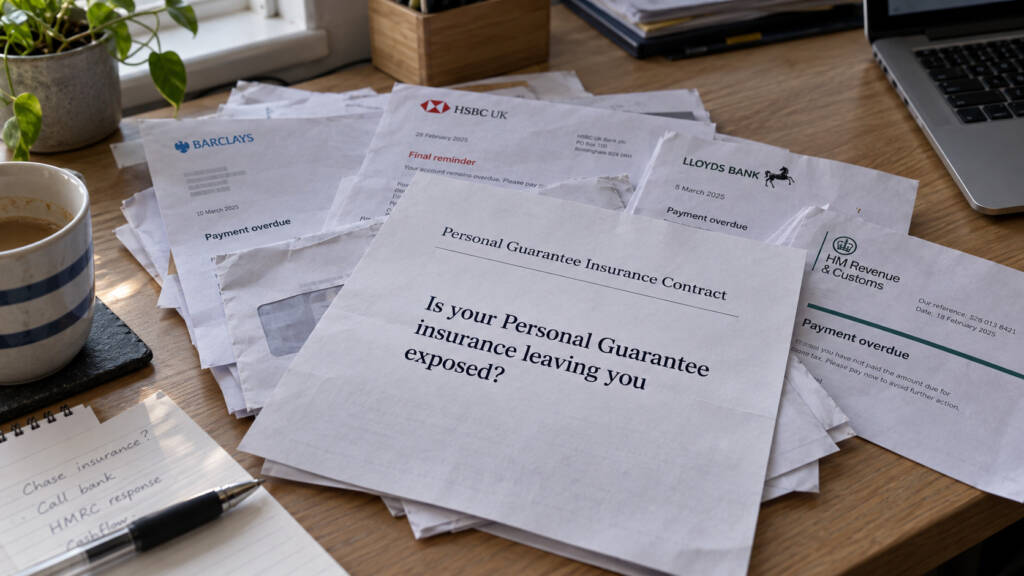
Personal Guarantees may remain enforceable, Overdrawn Director’s Loan Accounts may still need to be repaid, and decisions made during your time as director can remain subject to investigation.
At Bell & Company, we understand why directors consider these arrangements. But a quick exit from the business isn’t necessarily a solution to the debts that could follow you personally.
Our Debt Strategists help directors understand their financial exposure, assess their options and explore commercially realistic solutions before making decisions that could affect their future.
Before agreeing to a £1 company sale, make sure you understand exactly what you’re walking away from, and what you could be leaving yourself responsible for.
Can You Legally Sell a Limited Company That Has Debt?
Yes. A limited company can be sold even if it has outstanding debts to HMRC, lenders or other creditors. However, selling the business doesn’t automatically resolve those liabilities or release you from personal financial obligations.
When you sell your company’s shares, ownership transfers to the buyer, but the company remains the same legal entity, with its existing assets, debts and financial commitments.
For example, if your company owes £100,000 to HMRC, that liability doesn’t disappear simply because someone purchases the shares for £1.
More importantly, if you’ve signed Personal Guarantees, have an Overdrawn Director’s Loan Account or face other potential personal claims, those obligations may remain after the sale.
A buyer agreeing to take over the company is not the same as a creditor formally releasing you from a Personal Guarantee.
What Happens to Your Debts When You Sell a Company for £1?
Selling your company for £1 doesn’t automatically release you from the personal financial obligations connected to the business.
While ownership may transfer to someone else, there are three important risks every director should understand before agreeing to a sale.
1. Personal Guarantees Can Still Be Enforced
If you’ve signed a Personal Guarantee for a business loan, overdraft or commercial lease, selling your company doesn’t automatically cancel that commitment.
Even if the new owner agrees to maintain repayments, you could still face a substantial personal claim if the company defaults, depending on the guarantee’s terms.
2. Overdrawn Director’s Loan Accounts Remain Your Responsibility
If you owe money to your company through an Overdrawn Director’s Loan Account, selling your shares or resigning as director doesn’t automatically remove the outstanding balance.
If the company subsequently enters liquidation, the appointed liquidator may seek repayment, potentially leaving you facing a significant personal financial claim. However, an outstanding loan account doesn’t necessarily mean the full balance must be repaid immediately.
At Bell & Company, we assess the liability, your financial circumstances and the potential recovery position to explore opportunities for a negotiated commercial settlement.
3. Your Previous Conduct Can Still Be Investigated
Selling your company doesn’t remove responsibility for decisions made while you were a director.
If the business subsequently enters insolvency, previous transactions, asset transfers, financial records and management decisions may still be examined. This doesn’t automatically mean you’ve acted improperly or that you’ll become personally liable. However, changing ownership doesn’t prevent legitimate enquiries into your previous conduct.
Before agreeing to a £1 company sale, it’s essential to understand what liabilities could remain and what options are available to address them.
A Real Example: A £2 Company Sale That Left £341,000 in Personal Debt Exposure
We’ve seen firsthand how these arrangements can go wrong.
One of our clients owned a healthcare business that struggled financially following the pandemic. She and her co-shareholder agreed to sell the company to an investor for £2 – effectively £1 each. The buyer promised to continue paying the company’s loans. However, after making an initial payment, the buyer stopped.
Our client had personally guaranteed the borrowing. One debt increased from approximately £151,000 to £283,000, leaving her facing around £341,000 in total guaranteed debt exposure. Despite selling the business, she was still being pursued personally.
When she approached Bell & Company, our focus was on assessing her liabilities and developing a strategy to deal with the creditors.
The lesson? Selling a company doesn’t necessarily mean you’ve sold the financial responsibilities attached to it.
The Insolvency Service Has Warned About £1 Company Sale Schemes
These concerns extend beyond individual cases.
In November 2026, the Insolvency Service announced that Manchester-based Clark Sinclair Limited had been wound up in the public interest following an investigation into its activities.
The company had offered directors of financially distressed businesses the opportunity to sell their companies for £1, while charging fees ranging from £2,500 to £6,800. Investigators identified 51 companies that appeared to have changed ownership through the arrangements.
Of particular concern were suggestions that directors could avoid scrutiny by selling their businesses before liquidation. However, former directors can still have their conduct investigated if the company subsequently enters formal insolvency proceedings.
The message is clear: a £1 sale is not a guaranteed escape from company debt or your responsibilities as a director.
Are £1 Company Sales Legal?
Yes. Selling a limited company for £1 can be entirely legal, even when the business has substantial debts. However, the sale must be genuine, properly documented and comply with the director’s legal responsibilities.
Where a company has significant liabilities, its shares may have little or no commercial value, making a nominal purchase price reasonable.
The real concern isn’t the £1 sale price. It’s what you’re being promised in return.
Directors should be particularly cautious of arrangements claiming they can:
- Eliminate Personal Guarantees simply by transferring company ownership.
- Prevent future creditor claims or investigations into previous conduct.
- Remove existing responsibilities by appointing a replacement director.
- Transfer valuable company assets without appropriate valuations or documentation.
Selling shares is also different from selling the company’s assets. If business assets are transferred for significantly less than their value, the transaction may be challenged in a subsequent insolvency.
Similarly, directors considering closing one company and restarting through another, sometimes called phoenixing, must understand the rules governing asset transfers, company names and directors’ conduct.
Neither a genuine £1 company sale nor starting a new business after insolvency is automatically unlawful.
What Should You Do Instead of Selling Your Company for £1?
Before agreeing to a £1 company sale, you need to understand exactly what you’re walking away from, and what financial liabilities could still follow you personally.
At Bell & Company, we believe the starting point should be a complete assessment of your financial position, including:
- Your company’s outstanding debts: HMRC arrears, business loans, supplier commitments and other creditor liabilities.
- Your personal financial exposure: Personal Guarantees, Overdrawn Director’s Loan Accounts and any borrowing secured against personal assets, including your family home.
- The terms of the proposed sale: What happens to the company’s existing liabilities, and have any creditors formally agreed to release you from your personal obligations?
- Your alternative options: Whether creditor negotiations, debt restructuring, a genuine business sale or an appropriate formal insolvency procedure could provide a more suitable solution.
At Bell & Company, we don’t simply assess what you owe. We examine your financial circumstances, identify potential risks and develop commercially realistic strategies to address outstanding liabilities.
That may involve negotiating substantial Personal Guarantee claims, resolving Director’s Loan Accounts or coordinating a strategy alongside insolvency professionals where company closure is necessary.
How Bell & Company Can Help
Whether you’re considering a £1 company sale or you’ve already sold your business and are facing personal demands, we’ll help you understand where you stand.
Our team can assess your personal guarantees, directors’ loan accounts, creditor claims and financial circumstances before developing a tailored strategy. Where appropriate, we negotiate directly with creditors to pursue realistic settlements and work alongside legal or insolvency professionals when specialist advice is required.
We won’t promise that every debt can disappear. But we will help you understand your options and make informed decisions about protecting your financial future.
Been Offered £1 for Your Company? Speak to Us Before You Sign.
A £1 sale might transfer ownership of your business. It doesn’t necessarily transfer your personal liabilities. Before you make a decision that could affect your home, finances or future, make sure you understand the consequences.
Book your initial confidential Initial Case Review with Bell & Company.
Frequently Asked Questions
Can I sell my limited company if it has debts?
Yes. You can sell a company with outstanding debts, but those liabilities generally remain with the company. Any personal guarantees or other personal liabilities you’ve incurred may continue after the sale.
Will selling my company for £1 cancel my personal guarantees?
No. A personal guarantee generally remains in place unless the lender formally releases you or the guarantee otherwise ends under its terms.
Can I start a new company after selling or closing my old one?
Yes. You can generally start a new limited company after selling or closing your previous business, provided you’re not disqualified or otherwise legally restricted from acting as a director.
Starting again through a phoenix company can be lawful, but business assets must be transferred appropriately, and restrictions on reusing company names can apply for five years following insolvent liquidation.
Am I still liable if I resign as director before liquidation?
Yes, you may still face personal liabilities after resigning as a company director. Resignation doesn’t automatically cancel existing Personal Guarantees, Overdrawn Director’s Loan Accounts or responsibility for decisions made during your time in office.
If the company subsequently enters liquidation, your previous conduct may still be investigated.