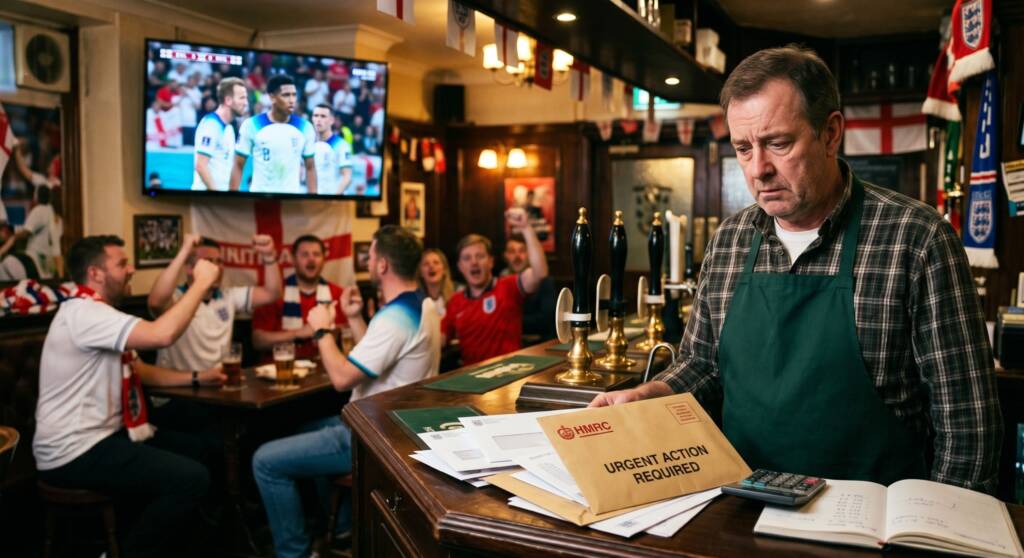
The Financial Times recently reported a telling trend: UK pubs and bars are pinning their hopes on the upcoming World Cup to offset sluggish consumer demand and skyrocketing operational costs.
On the surface, a major sporting event looks like a win for the hospitality sector. But for those of us working behind the scenes in debt restructuring and business rescue, that headline should concern every hospitality operator in the country.
When an entire sector begins to rely on a six-week sporting window to stabilise cash flow, it tells you that the underlying pressure is far deeper than simple “seasonality.” It suggests a systemic fragility that a few busy Saturday afternoons cannot fix.
A Battle on Multiple Fronts
Behind the vibrant atmosphere of a match-day crowd, hospitality businesses are fighting a silent battle on multiple fronts. The “perfect storm” that began during the pandemic hasn’t dissipated; it has simply evolved.
Today, directors are juggling a volatile mix of:
- Persistent Energy Costs: Even as wholesale prices fluctuate, the long-term cost of powering kitchens and cellars remains historically high.
- Food & Supply Chain Inflation: Margin erosion is constant, as the cost of goods remains unpredictable.
- Increased Labour Costs: Rising minimum wages and the struggle to find skilled staff have added significant pressure to the bottom line.
- The Debt Hangover: Many businesses are still servicing Bounce Back Loans or CBILS, and that debt is now catching up with them in a high-interest environment.
The “Event-to-Event” Trap
We are increasingly seeing a pattern where businesses survive month-to-month or event-to-event. Owners are hoping that the next bank holiday, Christmas period, or World Cup will buy them just enough breathing space to get through the next quiet patch.
At Bell & Company, we speak to hospitality business owners every day, and the narratives are becoming alarmingly similar. We hear from:
- Pub Operators with HMRC arrears spiralling out of control after failed Time to Pay (TTP) arrangements.
- Hotel Owners trapped in high-interest lending arrangements that seemed like a good idea during a cash-flow crunch but are now unsustainable.
- Restaurant Groups are juggling a “debt cocktail” of merchant cash advances, supplier pressure, and VAT liabilities.
One hospitality client recently told us: “It feels like we’re constantly plugging holes faster than the business can refill them.”
When Business Debt Becomes Personal
The hospitality sector was arguably the hardest hit during the pandemic – the first to close and the last to reopen. Many businesses never truly regained a stable footing. Now, the cracks that have existed quietly for years are being exposed by weaker consumer confidence.
Once the pressure reaches a certain point, the situation escalates with frightening speed. HMRC becomes more aggressive with enforcement; lenders tighten their positions; and suddenly, Personal Guarantees (PGs) are brought to the forefront.
This is the part people rarely talk about publicly: the moment business debt stops feeling like a commercial problem and starts feeling like a personal crisis. When Personal Guarantees are enforced, family homes and personal assets become part of the conversation.
We recently assisted a business owner facing over £435,000 in VAT and PAYE debt. HMRC had refused further negotiation after previous arrangements failed. The threat wasn’t just to the brand; it was to the director’s entire livelihood.
Restoring Control in an Uncertain Climate
At Bell & Company, this is where we step in. We specialise in supporting directors who feel they have run out of road. Our role is not simply to “manage” the debt; it is to restore control and create the negotiating leverage needed to achieve a commercially realistic outcome.
We provide expert guidance on:
- HMRC Pressure: Navigating aggressive enforcement and negotiating sustainable settlements.
- Personal Guarantee Exposure: Protecting your personal assets from business fallout.
- Creditor & Lender Negotiations: Re-structuring high-pressure lending and merchant cash advances.
- Insolvency Threats: Providing clear-eyed advice before formal proceedings become inevitable.
The Cost of Delay
If your hospitality business is under strain, or you are worried about where the pressure is heading for you personally, the most important thing you can do is act early.
The World Cup may provide a temporary boost to the till, but it won’t solve the structural debt or the aggressive letters from HMRC. Financial pressure does not automatically mean the end of your career or your business, but it does require a professional strategy to overcome.