HomeDebt Advice HubarticlesThe Retail Domino Effect: What Supermarket Closures Really Mean for Your Business
The Retail Domino Effect: What Supermarket Closures Really Mean for Your Business
Articles
Why Supermarket Closures Are a Warning for Hospitality
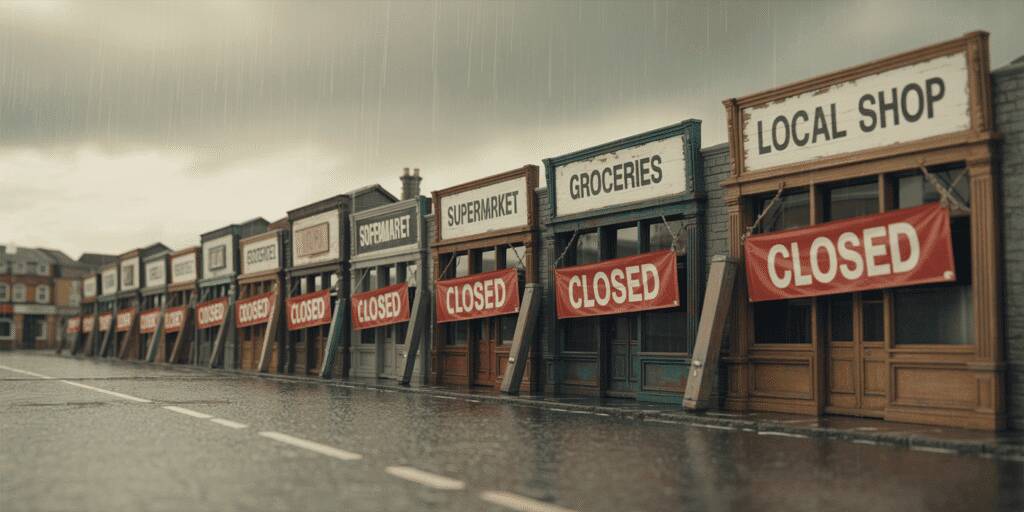
The recent news about over 100 large supermarkets, including stores from Tesco, Sainsbury’s, Morrisons, and Asda, facing potential closure due to new business rate increases has sent a chill through the retail sector. But for directors, this isn’t just a retail problem; it’s a stark warning. If Britain’s largest, most resilient chains are struggling, smaller retail operators must prepare for significant financial headwinds.
The core of this issue is not just business rates, but a perfect storm of financial pressures that mirrors the challenges many retail businesses already face.
The Financial Squeeze on Hospitality
While the government’s plan to increase business rates on larger premises is intended to help smaller businesses, it may not be the silver bullet many hope for. The reality is that the retail sector is already under immense pressure.
Consider these factors that are squeezing your bottom line:
Rising Costs: Staff wages and National Insurance contributions are increasing payroll costs, while food and drink inflation continues to erode margins.
Supply Chain Volatility: Energy and other supply chain costs remain unpredictable, making it difficult to budget and forecast accurately.
Business Rates Reality: For many shops, especially those with larger sites in prime locations, the new business rates could still be a heavy burden. Your property values may still tip you over the £500,000 threshold, negating any relief and adding to your tax bill.
These are not hypothetical risks. They are real, tangible threats that can quickly turn a profitable month into a loss.
A False Sense of Security
Supermarkets operate at a scale that most retail businesses can only dream of. They have multi-billion-pound revenues and highly optimised supply chains. Yet, even they are now facing a period of contraction and profitability challenges.
So, what’s the key takeaway for you as a director? Profitability is fragile. High turnover can create a false sense of security. When overheads like rent, wages, and utilities climb, and creditors like HMRC become more aggressive, financial security can unravel faster than you think.
This situation serves as a critical reminder: No business, no matter how successful, is immune to economic shifts. The closure of a high-street supermarket isn’t just a news story; it’s a symptom of a wider economic squeeze that will be felt across every high street outlet.
The Director’s Dilemma
At Bell & Company, we see firsthand how these pressures can snowball, leaving retail directors in an incredibly vulnerable position. We know what keeps you up at night:
Overdrawn Directors’ Loan Accounts (ODLAs): Often, directors try to save their business by pouring their own money into it, creating a significant personal debt.
Personal Guarantees (PGs): Many business loans, leases, and supplier credit agreements are backed by your personal assets. If the business fails, your home and family’s financial future could be at risk.
Aggressive Creditors: Post-liquidation, a liquidator’s job is to recover as much money as possible. This often means aggressively pursuing directors for ODLAs and PGs.
The stress of these issues can be immense, but the most dangerous thing you can do is wait. The earlier you address these problems, the more options you have.
This is where Bell & Company comes in. We specialise in providing independent, strategic advice to directors in financial distress. We’re not here to judge or lecture; we’re here to help you navigate a complex and stressful situation.
Our team provides a lifeline, from negotiating with creditors to defending you against personal liability claims. For example, in a recent case, we assisted a retail director who was aggressively pursued by a liquidator for a substantial ODLA. The liquidator had already rejected previous settlement offers, but our strategic approach led to a commercial settlement that protected our client’s personal position and allowed them to move forward without bankruptcy.
This is the peace of mind we provide.
Don’t Wait for the Dominoes to Fall
The supermarket closures are a visible sign of a much larger trend. For retail directors, the message is clear: be proactive, not reactive.
If you’re facing creditor pressure, have personal guarantees, or are dealing with ODLA claims, don’t let the fear of what comes next paralyse you. A free, confidential case review with our team could be the first step toward protecting your personal position and safeguarding your future.
The team at Bell & Company has been a tremendous help. What was not possible trying to solve with HMRC on our own was made possible. A great outcome which allows us to concentrate on running the business with less…
Making the impossible possible
The team at Bell & Company has been a tremendous help. What was not possible trying to solve with HMRC on our own was made possible. A great outcome which allows us to concentrate on running the business with less stress going forward.
Sascha Cutura – GB
William Bell
Chief Operating Officer
William Bell is the Chief Operating Officer at Bell & Company, where he specialises in strategic operations and business growth within the debt advisory sector. With extensive experience helping individuals and businesses navigate severe financial distress, Will focuses on building robust systems that deliver tangible debt resolution for clients.
Get a Free Consultation Today
Worried about debt? We know that sometimes taking the first step can be the most difficult part.
Our experienced experts are always available to discuss your situation and provide options.
Contact us today for a free case review with one of our specialists.
HMRC Arrears and Overdrawn Director’s Loan Accounts: Take Control Before It Is Taken From You
If your company is falling behind with HMRC while you continue taking drawings or dividends, the problem may be moving beyond the business. Learn how to regain control before enforcement or liquidation restricts your options.
Britain’s National Debt Has Passed £3 Trillion, But Not All Debt Stories Have a Bad Ending
Another enormous number. Another worrying headline. Another article about debt, borrowing, interest and financial pressure. And yes, it’s important to understand what’s happening around us. There might even be a strange bit of comfort in knowing that financial pressure isn’t...
Managing Debt and Mental Health When Your Business Is Struggling
The Human Behind Business Debt When a business faces severe financial distress, the strain rarely stays on the balance sheet. It follows you home and can affect your sleep, relationships and sanity. You lie awake at 3 in the morning,...