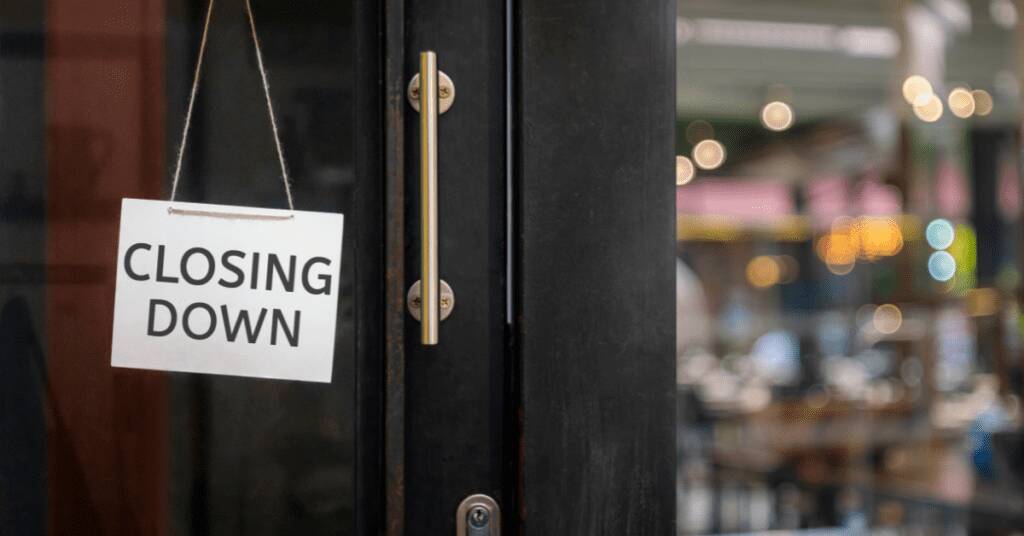
Poundland went into administration on 25th November 2026, putting approximately 600 stores and 11,000 jobs at risk just before Christmas. This happened only hours before the court protection from creditors was set to end.
Clare Kennedy, Daniel Imison and Kevin Wall from AlixPartners were named joint administrators after Poundland’s directors asked for their help. They said the sale process couldn’t find a solvent buyer for the whole business, but all stores will remain open while they look for buyers.
For around 11,000 staff, the coming weeks will decide whether their store is sold, closed or kept open under a new owner. AlixPartners has already asked retailers with job vacancies to get in touch, which suggests not every role is expected to survive a sale. Anyone made redundant can claim statutory redundancy pay and some unpaid wages through the government’s Redundancy Payments Service, though both are subject to statutory limits. Suppliers and landlords face their own wait, as unsecured creditors who will only learn how much they will be repaid once the administrators have sold what they can.
For directors already facing tighter supplier terms or lenders asking for updated accounts, it raises a practical question. If a company can’t pay, what could its directors be asked to pay personally?
How did Poundland end up in administration?
2024/early 2025: a failed sale and falling profits
Pepco Group, which has owned Poundland since 2016, tried to sell the business in 2024, but the process ended in November with no deal. Only two parties showed interest, but both pulled out as profits dropped quickly.
Pepco also lent Poundland approximately £237 million in unsecured loans between 2021 and 2022, with repayment starting in September 2025. Poundland’s revenue then dropped 6.5% to about £830 million in the six months to March 2025, compared to the same period the year before.
June 2025: sold for £1
In June 2025, Pepco sold Poundland to US investment firm Gordon Brothers, for just £1, but kept a minority stake. Gordon Brothers, which previously owned Laura Ashley, promised up to £80 million to help turn the business around. At that point, Poundland had over 800 stores across the UK, Ireland and the Isle of Man, with about 16,000 employees.
August 2025: a court-approved restructuring plan
A week after the sale, Poundland put forward a restructuring plan under Part 26A of the Companies Act 2006. The plan aimed to close 68 stores and reduce rent on many others. The High Court approved it on 26th August 2025, despite objections from some landlords, because the company would have become insolvent by 1st September without it. Lawyers called it the biggest leasehold restructuring plan so far.
September/October 2026: a sale under strain
At the start of September, just over a year after buying Poundland, Gordon Brothers put the business up for sale again. That same month, trade credit insurers reportedly stopped issuing new cover to some suppliers, as concerns about the company’s future ownership increased.
Poundland’s management supported a solvent offer from Irish real estate firm Martin Property Group, which promised to keep the stores and staff. On 13th October, Poundstretcher’s owner withdrew their bid for the entire business and instead focused on individual stores. Three independent directors overseeing the sale later resigned, reportedly because they worried the business was heading for insolvency.
October/November 2026: two moratoriums and administration
On 29th October, Poundland filed a notice that it planned to appoint administrators, which gave the company 10 working days’ protection from creditors. This followed Gordon Brothers’ rejection of Martin Property Group’s offer, reportedly because the buyer would not assume a £30 million loan. Managing director Barry Williams told staff the situation was “unexpected, unwanted and wholly avoidable”.
A second notice in mid-November gave Poundland another ten working days of protection, during which Gordon Brothers paid wages and kept the business running. Several competitors, such as B&M and Lidl, were reported to be interested in buying parts of the stores, but no deal was reached for the whole business. AlixPartners was appointed on 25th November, just before the second protection period ended.
What happens to Poundland now?
The administrators have now taken over from the directors and will handle the sale process themselves. AlixPartners said they will consider all options, including selling the business and its assets together or separately. Reports suggest the business is likely to be broken up, which could mean the Poundland name disappears from many UK high streets.
By keeping the shops open, the administrators can trade through Christmas, which is usually the busiest time of year for retailers, while they consider offers. Since unsecured creditors are paid last from any sale proceeds, this will be an anxious time for many staff and small suppliers. When fellow retail giant Wilko folded in 2023, it’s estimated there were over half a billion in unsecured claims, with many creditors receiving only an average of 10p on the pound.
What does administration mean for the directors?
Only about one in ten companies that go into administration survive as ongoing businesses, and Poundland’s sale process has already failed to find a solvent buyer. Administrators must report to the Insolvency Service on the actions of anyone who served as a director in the three years before their appointment. This review analyses decisions made in the months before the collapse, including how the sale process was managed.
In the 2025/26 reporting year, the Insolvency Service disqualified 1,158 directors in Great Britain, with bans averaging 8.1 years. At the end of March 2026, a further 1,177 company cases were still under investigation.
Directors of a big, institutionally owned company like Poundland are unlikely to have personally guaranteed its debts. Still, the conduct review applies to all directors, regardless of the company’s size.
What can directors learn from Poundland’s collapse?
Terry Bell, Founder & Chairman of Bell & Company, said:
“Poundland’s administration is a reminder that even a well-established business can find itself in serious financial difficulty despite efforts to restructure and improve performance.
There’s an important distinction between what happens to a company and what happens to the individuals behind it.
For smaller business owners, financial difficulties don’t always end when the company stops trading. Directors may have personally guaranteed substantial borrowing, accumulated overdrawn directors’ loan accounts, or exposed their own assets, including the family home, to business liabilities.
That’s where acting early can make a considerable difference.
At Bell & Company, we regularly speak to directors who have spent months trying to keep their businesses afloat, often prioritising wages, suppliers and HMRC while overlooking the financial consequences they could ultimately face personally.
By the time a creditor has issued a Statutory Demand, a Winding-Up Petition has been presented or a liquidator is investigating an outstanding Director’s Loan Account, the available options may have changed significantly.
Our message to directors isn’t necessarily that they should close a struggling business. It’s that they need to understand their complete financial position before making decisions that could affect their personal future.
Sometimes the right strategy is to support the business through its difficulties. Sometimes it’s to negotiate personal liabilities or prepare for an orderly closure alongside insolvency professionals.
The objective isn’t simply to protect the company at all costs. It’s to make informed commercial decisions that also consider the director’s position.
Because the earlier you understand the risks, the more opportunity you may have to address them before matters escalate.”
Poundland’s 2025 plan reduced stores and rents, but the business still needed a new owner just 15 months after the court approved it. Formal restructuring can cut costs quickly, but it usually doesn’t fix falling sales or a weak market position on its own.
Credit insurers reportedly started pulling new cover for Poundland’s suppliers weeks before any notice was filed in court. When this happens, suppliers often tighten payment terms or ask for cash up front, which can drain working capital at a bad time. In a smaller business, warning signs might include a supplier shortening credit terms or a lender asking for updated management accounts.
These warning signs are a time to review your whole financial position before a creditor takes action. Waiting too long also increases the risk of trading while insolvent, which can make directors personally liable once a formal process starts.
Every party has its own priorities
During the sale process, there was a variety of, often clashing, priorities at play. Management supported one bidder, the owner rejected it, and the independent directors resigned before any deal was made. Once administrators are in charge, their responsibility is to the company’s creditors as a whole. Directors’ personal interests are no longer their concern.
Directors of smaller companies feel this gap most when they’ve signed personal guarantees or owe money through a director’s loan account. These debts remain even after the company becomes insolvent and can be chased long after the business is sold. Knowing about these risks sooner gives directors more time to negotiate with lenders and creditors.
Use the breathing space well
A notice of intention gives a company ten working days of protection. Poundland used two of those days before going into administration. This window is short and works best if talks with creditors and buyers have already started. Directors who wait until a notice is filed to start planning often find they have few options left besides a formal process.
What Poundland’s collapse means for UK directors
Poundland’s administration stems from a long decline that neither a £1 sale nor a court-approved restructuring could stop. Now, thousands of staff, suppliers, and landlords face months of uncertainty as the administrators decide what can be sold.
These lessons go beyond just retail, especially when it comes to acting on early warning signs and knowing your own risks. If your company is under pressure from lenders or creditors, talk to us as soon as possible to understand your options and personal situation.